The Allure of Gambling
The casino industry thrives on the magnetic allure of gambling, which taps into a fundamental aspect of human psychology. Players are often drawn to the thrill of the unknown—the excitement of potentially winning a significant payout. This psychological phenomenon is rooted in what psychologists call “risk-taking behavior.” The dopamine rush associated with risk can create a euphoric experience, reinforcing a player’s desire to engage in gambling activities, especially when exploring best non Gamstop casinos.

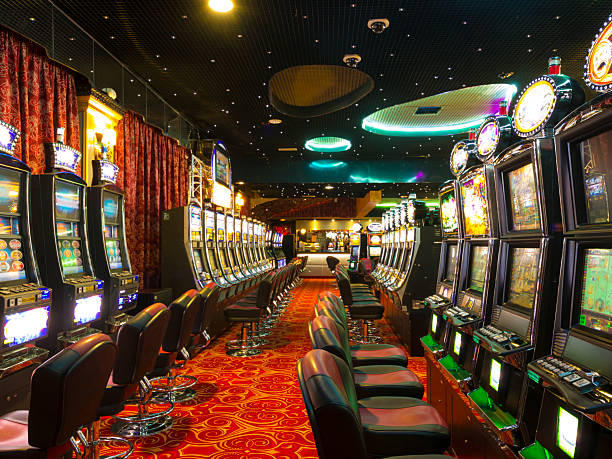
Additionally, the design and atmosphere of casinos play a crucial role in attracting players. Bright lights, enticing sounds, and free beverages create an environment that’s stimulating and pleasurable. This sensory overload often leads to players losing track of time and money, which is a deliberate tactic employed by the industry to keep them engaged for longer periods.
The Role of Cognitive Biases
Cognitive biases significantly influence how players perceive and interact with games in casinos. For example, the “gambler’s fallacy” leads individuals to believe that past events affect future outcomes in random games. A player might assume that a slot machine is “due” for a win after a series of losses, encouraging them to continue playing. This flawed thinking can lead to increased gambling behavior, often resulting in substantial losses.
Another common cognitive bias is the “illusion of control,” where players believe they have some influence over random outcomes. This belief might make someone more likely to choose certain numbers or strategies, thinking it could change the game’s outcome. Understanding these biases is essential for recognizing why players make certain decisions and how casinos strategically capitalize on those psychological tendencies.
The Impact of Emotions on Gambling Behavior
Emotional states play a significant role in gambling behavior. Players often seek out gambling as a form of escapism from stress or negative emotions. For many, the thrill of gambling offers a temporary relief, providing an emotional high that can quickly turn into a cycle of dependency. This is particularly evident in high-stakes games, where emotions can run high, leading to impulsive betting decisions.
Moreover, the immediate emotional feedback provided by wins or losses can further entrench a player’s relationship with gambling. A sudden win can elevate mood and reduce anxiety, while losses may lead to frustration or anger, prompting players to chase their losses. This emotional rollercoaster is integral to the psychological interplay between players and the games themselves, making it essential for casinos to understand these dynamics.
The Influence of Social Factors
Social dynamics significantly shape a player’s gambling experience. Many individuals enjoy the communal aspect of gambling, viewing it as a social activity that fosters connections with others. This social interaction can enhance the overall enjoyment, making gambling more appealing. Players may feel a sense of belonging in a casino environment, which can further encourage continued play.
Moreover, the influence of peers can lead to increased gambling. Social pressure or camaraderie can motivate individuals to partake in games they might otherwise avoid. Casinos often utilize this social aspect to create a lively atmosphere, encouraging group gambling and creating an environment where players feel compelled to participate, sometimes leading to excessive play.
Conclusion: The Complex Psychology of Casino Players
Understanding the psychology of players in the casino industry reveals a complex interplay of various factors. From the allure of risk to cognitive biases, emotional states, and social influences, every aspect shapes how individuals engage with gambling. For casinos, recognizing these psychological elements is crucial for both enhancing player experience and ensuring responsible gaming practices.
While the casino industry continues to evolve, the fundamental psychological underpinnings remain consistent. By delving into the psyche of players, stakeholders can better navigate the challenges and opportunities that arise in this fascinating landscape. As we continue exploring these dimensions, it’s essential to prioritize player wellbeing alongside entertainment to foster a healthy gambling environment.